The CompTIA PenTest+ is an intermediate-level certification for cyber security professionals aiming to prove their offensive security skills. But what kind of return can you expect on your investment? In this guide, we’ll break down the CompTIA PenTest+ salary landscape, exploring how it compares across job titles, experience levels, and industries.
We’ll take a closer look at roles like Penetration Tester, Vulnerability Analyst, and Threat Intelligence Analyst, their U.S. salary ranges, and where this certification fits on your career roadmap.
Finally, we’ll discuss how PenTest+ can open doors to senior and specialized positions, from Red Team Operators to Security Consultants, helping you build a high-impact career in ethical hacking.
Let’s begin!
Overview of the CompTIA PenTest+ Certification
The PenTest+ certification is CompTIA’s intermediate-level cyber security certification focused solely on penetration testing. Certification attempters must pass one 165-minute exam with a score of at least 750 on a scale of 100-900. The certification exam consists of a maximum of 85 questions mixed between multiple-choice and performance-based questions.
At the time of this writing, PenTest+ costs $425 USD for a single attempt. There are no other fees associated with writing the exam.
Should you successfully pass the exam, the PenTest+ certification holds a three-year lifespan and can be renewed either with 60 continuing education units (CEUs) or by passing the exam again.
When renewing with CEUs, there is an additional cost of $150. If you earn your CySA+ or SecurityX (formerly CASP+), the PenTest+ certification renews without additional cost.
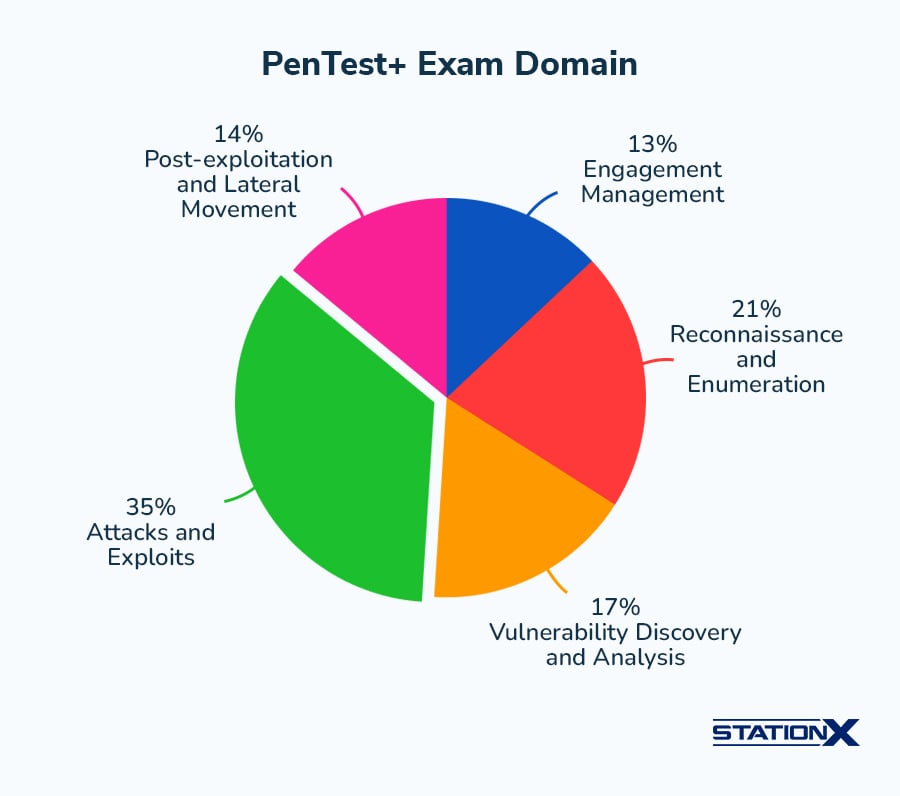
PenTest+ covers a wide range of penetration testing knowledge points that guide students through the entirety of a penetration test lifecycle. These knowledge domains consist of:
- Engagement management (13%)
- Reconnaissance and enumeration (21%)
- Vulnerability discovery and analysis (17%)
- Attacks and exploits (35%)
- Post-exploitation and lateral movement (14%)
Holding a CompTIA PenTest+ certification demonstrates that you possess the practical, hands-on skills needed to assess system vulnerabilities, exploit weaknesses, and report findings professionally - key competencies in today’s offensive security landscape.
While PenTest+ is still a relatively new certification compared to CEH or Security+, it’s gaining steady traction, particularly among organizations that value DoD 8570/8140 compliance and ANSI/ISO 17024-accredited credentials. It’s especially sought after in roles that require both technical testing expertise and an understanding of scoping, documentation, and client communication.
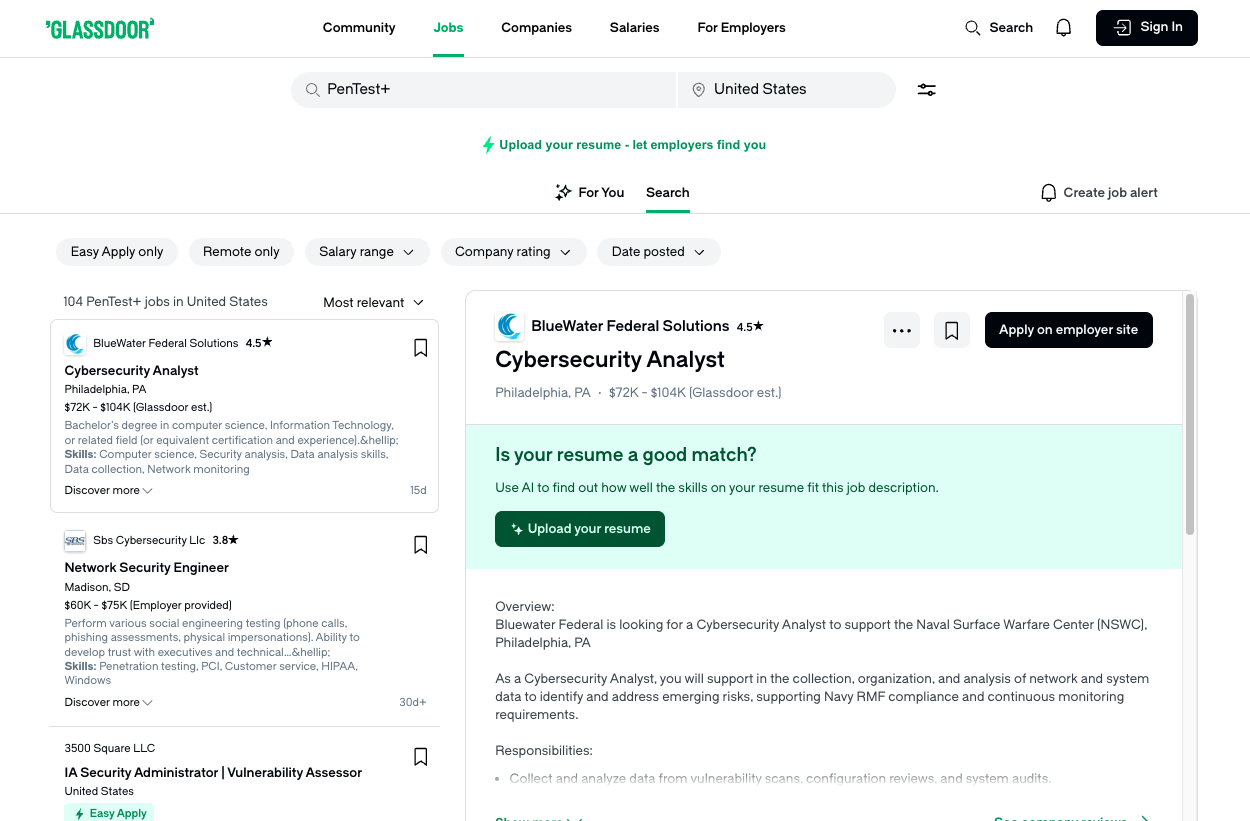
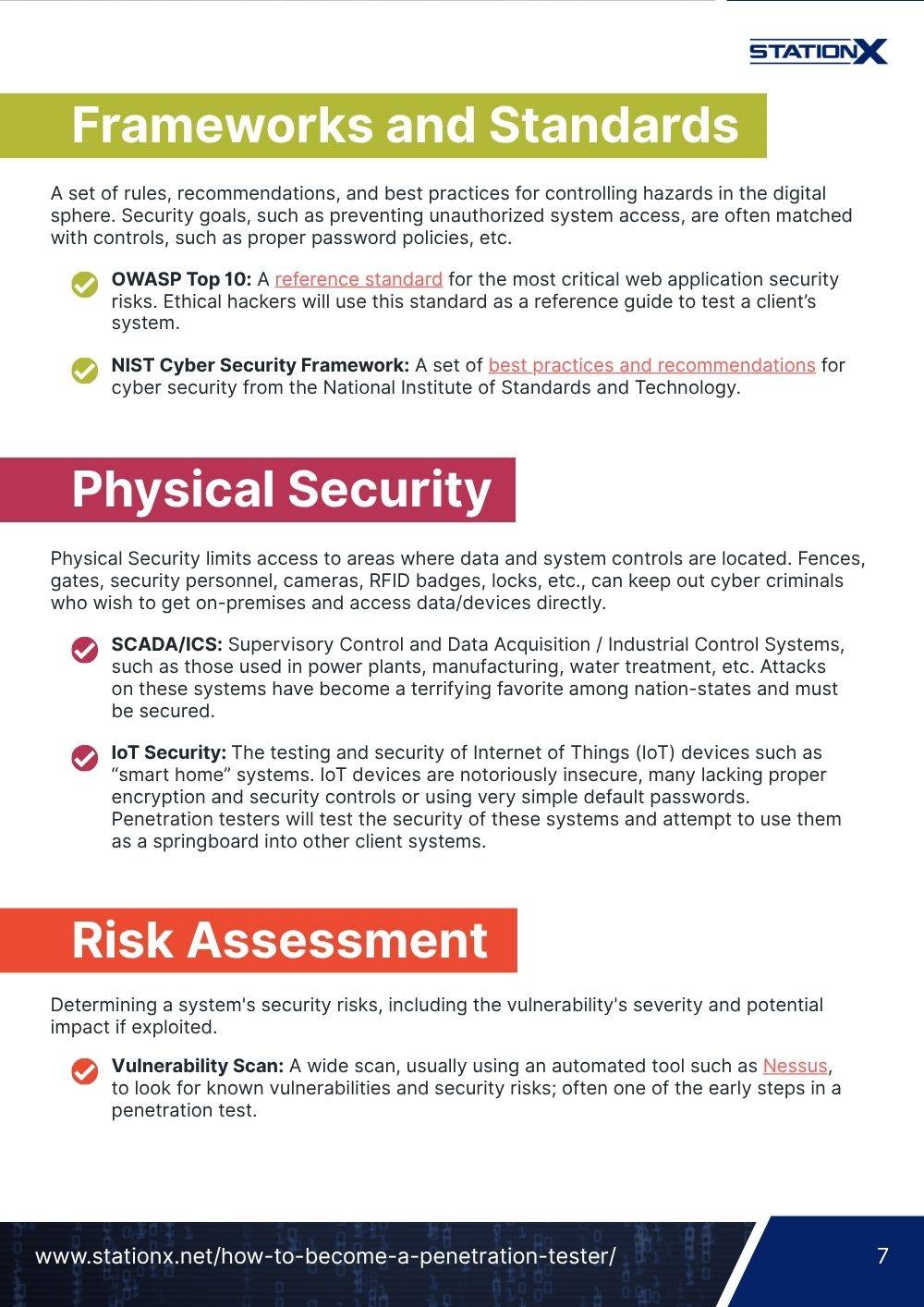
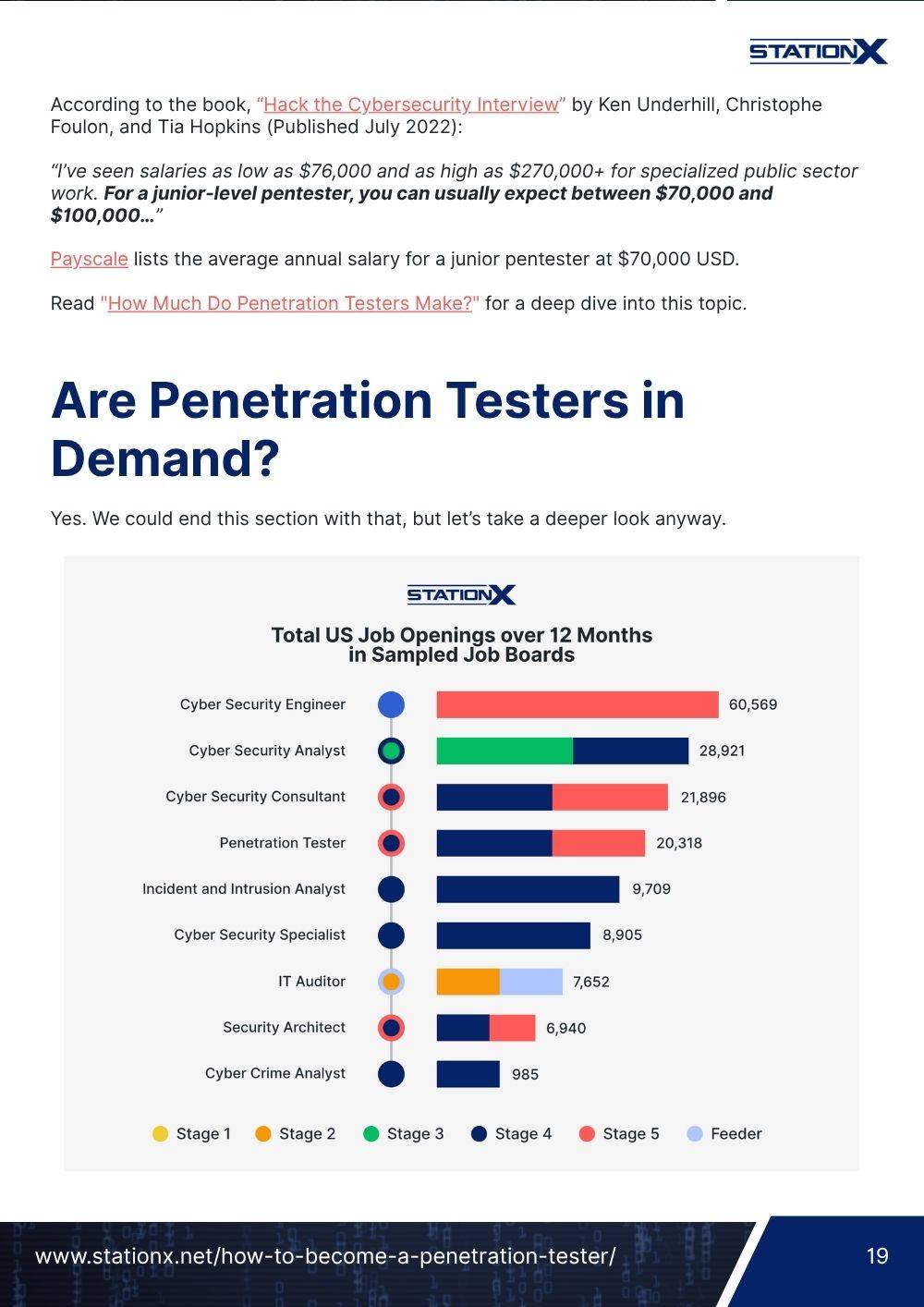
Offensive security is a growing field in the cyber security industry and shows no signs of slowing. At the time of writing, a search on Glassdoor for US-based roles referencing CompTIA PenTest+ returns around 104 job listings, including positions such as Penetration Tester, Vulnerability Analyst, and Red Team Operator.
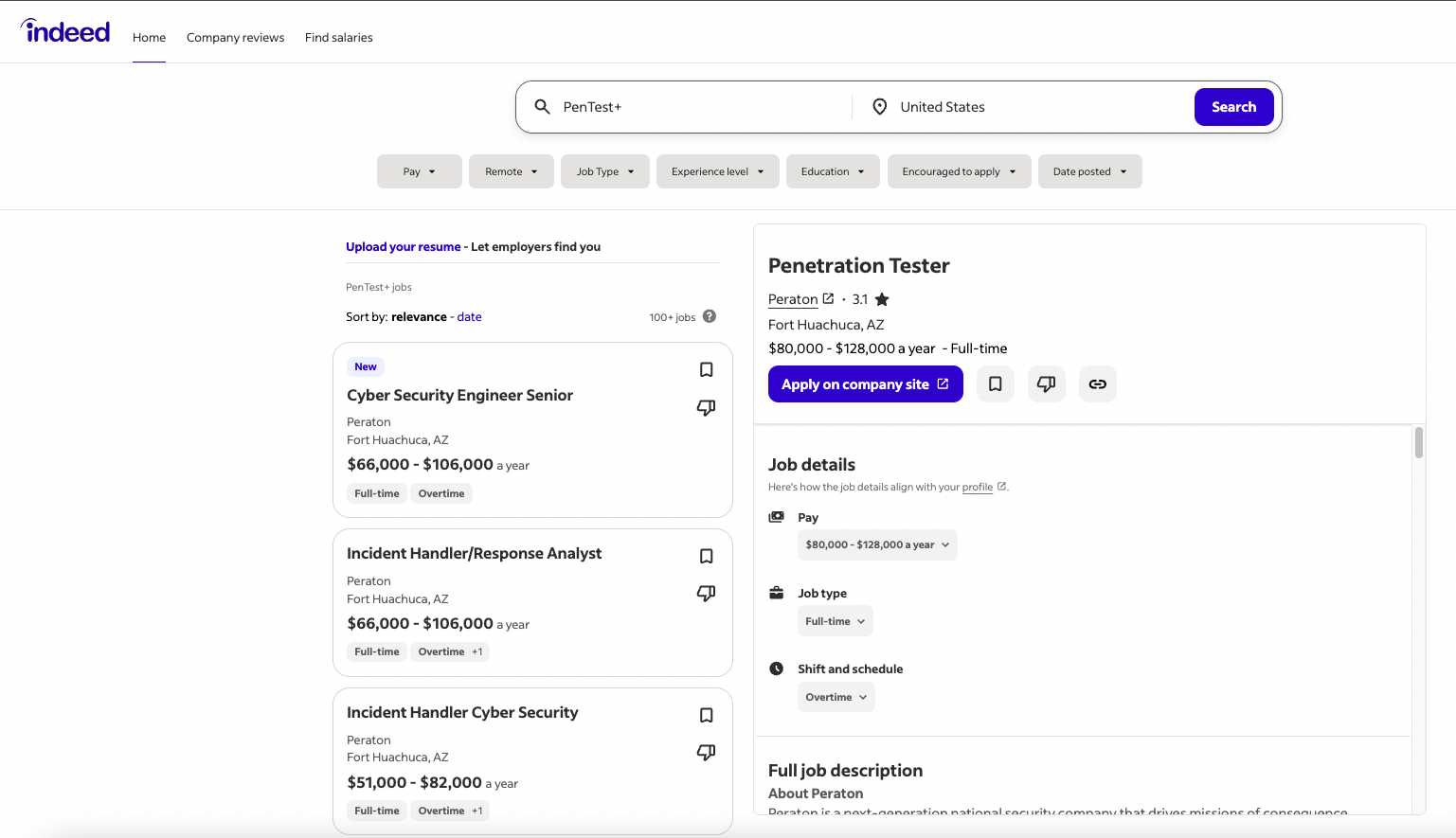
Indeed currently lists over 100 job postings that mention PenTest+ as a preferred or qualifying credential, often in hybrid roles like Security Analyst (II), Threat Intelligence Specialist, or Application Security Engineer.
Meanwhile, LinkedIn shows more than 190 open positions across the U.S. where PenTest+ is recognized as a desirable certification - particularly for mid-level offensive security or compliance-aligned positions in both government and private sectors.
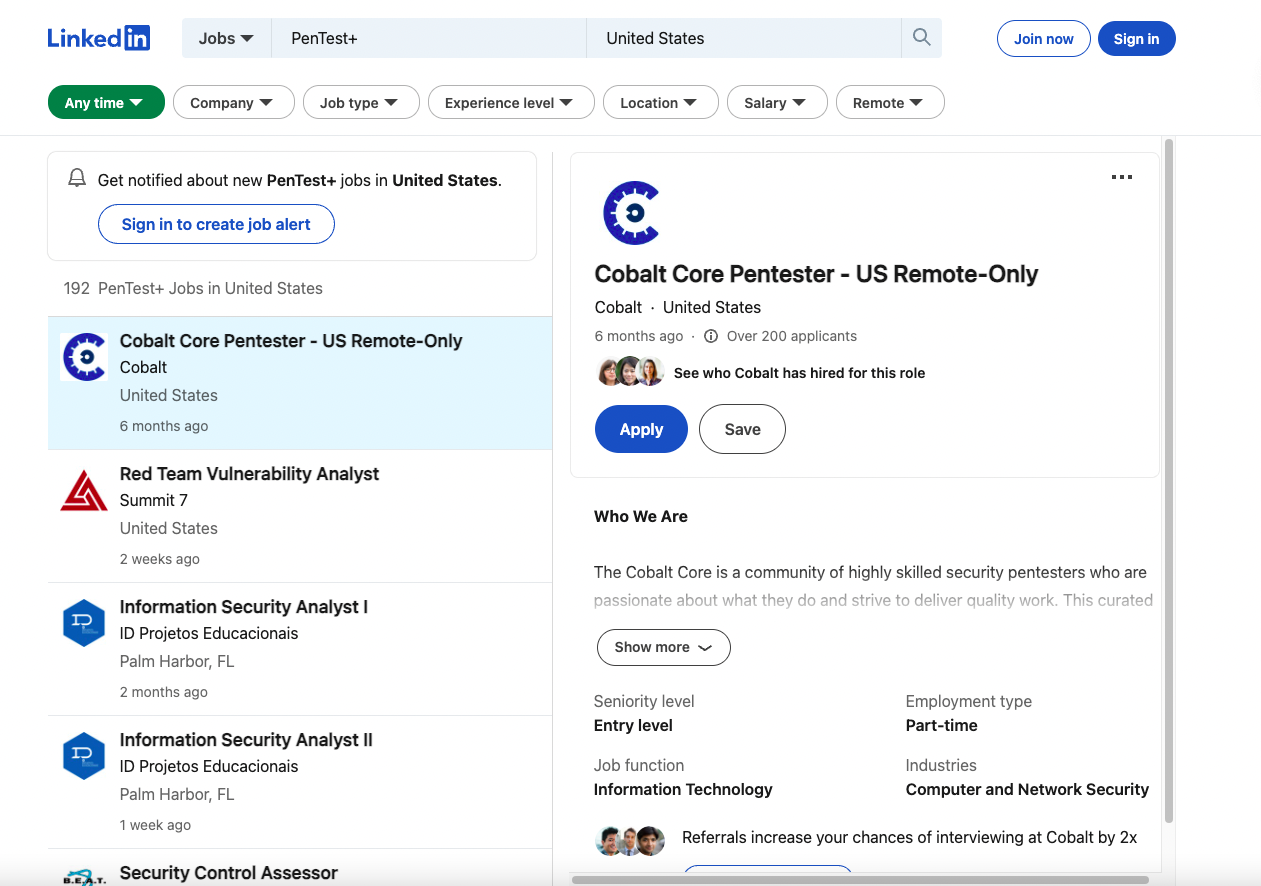
In short, CompTIA PenTest+ continues to grow in relevance as organizations place greater emphasis on hands-on security validation, compliance, and structured reporting, areas where this certification stands out.
What Does CompTIA PenTest+ Certification Prepare You For?
The PenTest+ certification can help prepare students for a variety of offensive-focused roles in cyber security. Let’s break down some of the job titles most closely aligned with PenTest+ knowledge domains.
Penetration Tester
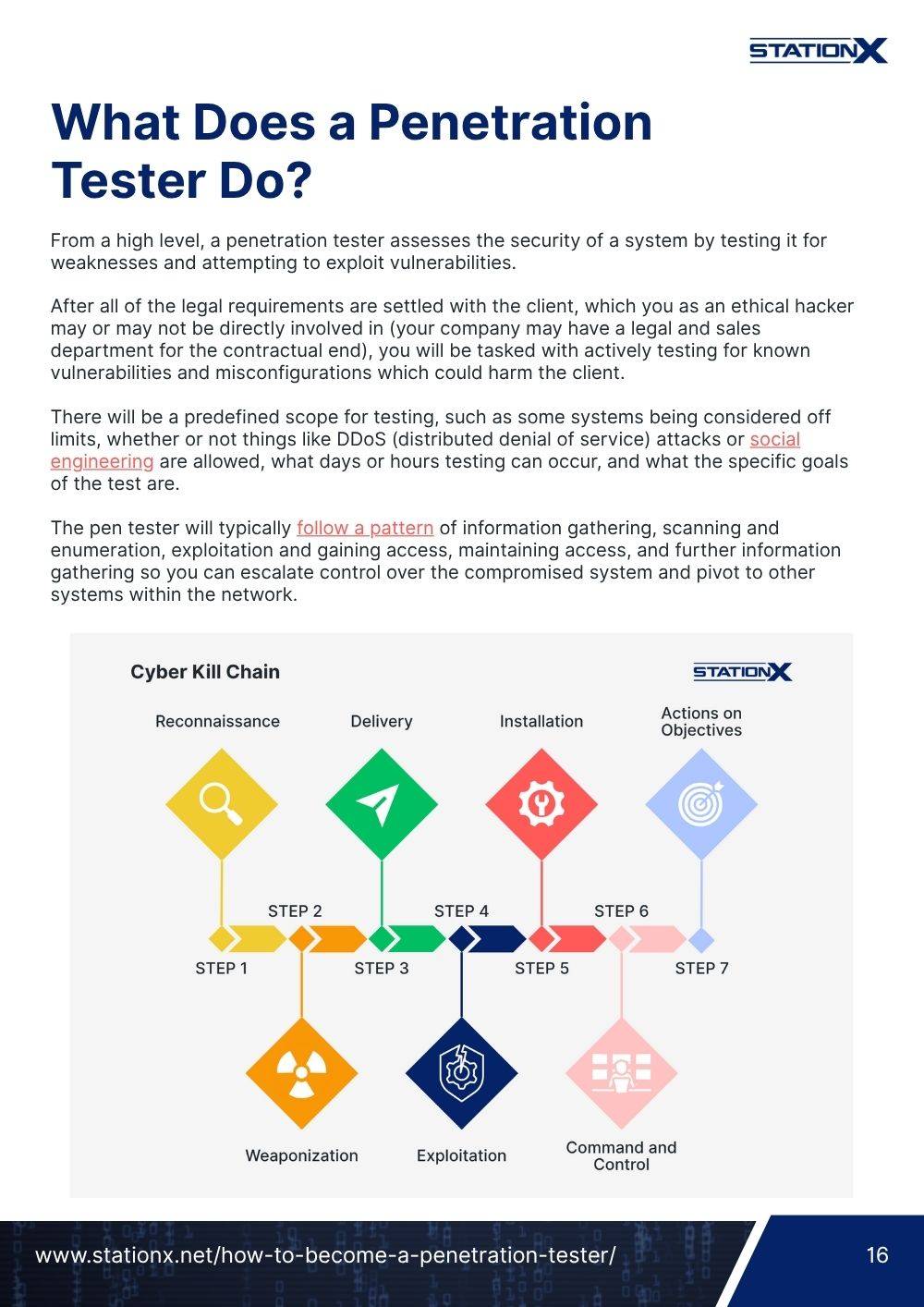
Penetration testers are the backbone of the offensive cyber security world. They are tasked with assessing the security of an organization’s environment, utilizing a large variety of tools and methods to find vulnerabilities and attempt to exploit them.
This role often involves performing reconnaissance, vulnerability scanning, and controlled exploitation using tools like Nmap, Metasploit, and Burp Suite.
Strong scripting knowledge and familiarity with frameworks such as OWASP and MITRE ATT&CK are commonly required.
Vulnerability Analyst
Vulnerability analysts can be in-house or even third-party team members who provide specific support to organizations in the area of vulnerability management. A vulnerability analyst is tasked with identifying and categorizing vulnerabilities or conducting scanning activities, both internally and externally.
This role involves close collaboration with IT, DevOps, and compliance teams to maintain continuous visibility over asset exposure and patch management.
Analytical thinking, attention to detail, and a strong grasp of vulnerability management frameworks like CVSS are key to success.
Threat Intelligence Analyst
Threat intelligence analysts are tasked with gathering, analyzing, and interpreting data on emerging cyber threats and adversary tactics. They identify trends in malicious activity, profile threat actors, and provide insights that help organizations strengthen their defenses and anticipate attacks.
Typical responsibilities include monitoring threat feeds, analyzing indicators of compromise (IOCs), and producing intelligence reports for internal teams or clients.
This role requires strong research skills, familiarity with OSINT tools, and an understanding of the global threat landscape.
Security Consultant
A Security Consultant provides expert advice and tailored solutions to help organizations identify and reduce security risks. They perform assessments, develop security policies, and guide clients through best practices for securing their networks, systems, and data.
Consultants may conduct penetration tests, review architectures, or evaluate compliance with frameworks such as ISO 27001, NIST, or GDPR.
Excellent communication skills and the ability to translate technical findings into business recommendations are essential in this client-facing role.
Cybersecurity Auditor
A Cyber Security Auditor evaluates the effectiveness of an organization’s security controls, policies, and procedures. They perform detailed assessments to ensure systems and processes comply with internal standards and external regulations such as SOC 2, PCI DSS, or HIPAA.
Auditors review documentation, test technical safeguards, and report on risk exposure or noncompliance.
This position suits professionals who have both technical understanding and an eye for process improvement and governance.
Network Security Operations
Professionals in Network Security Operations are responsible for maintaining and monitoring secure network environments. They implement and manage firewalls, intrusion detection/prevention systems (IDS/IPS), and VPNs to safeguard data flows and system access.
Their daily duties include analyzing network traffic, responding to security alerts, and performing incident containment when threats are detected.
Hands-on experience with network monitoring tools and a deep understanding of TCP/IP, routing, and threat mitigation techniques are key assets for this role.
CompTIA PenTest+ Certification Salary and Job Opportunities
So you’ve achieved the PenTest+ certification, now what can you expect? Let's break down the different potential CompTIA PenTest+ certification salary ranges and job opportunities you could qualify for with an active PenTest+ certification.
Before moving forward, we’d like to take a moment to discuss “experience” as a requirement for different positions. Some positions will ask specifically for prior work experience in that role. Others ask for industry experience, which could be any exposure to a security or IT position regardless of title (even a junior one). Some are asking for experience with a product, software, or skill that can be proven through means other than previous paid positions.
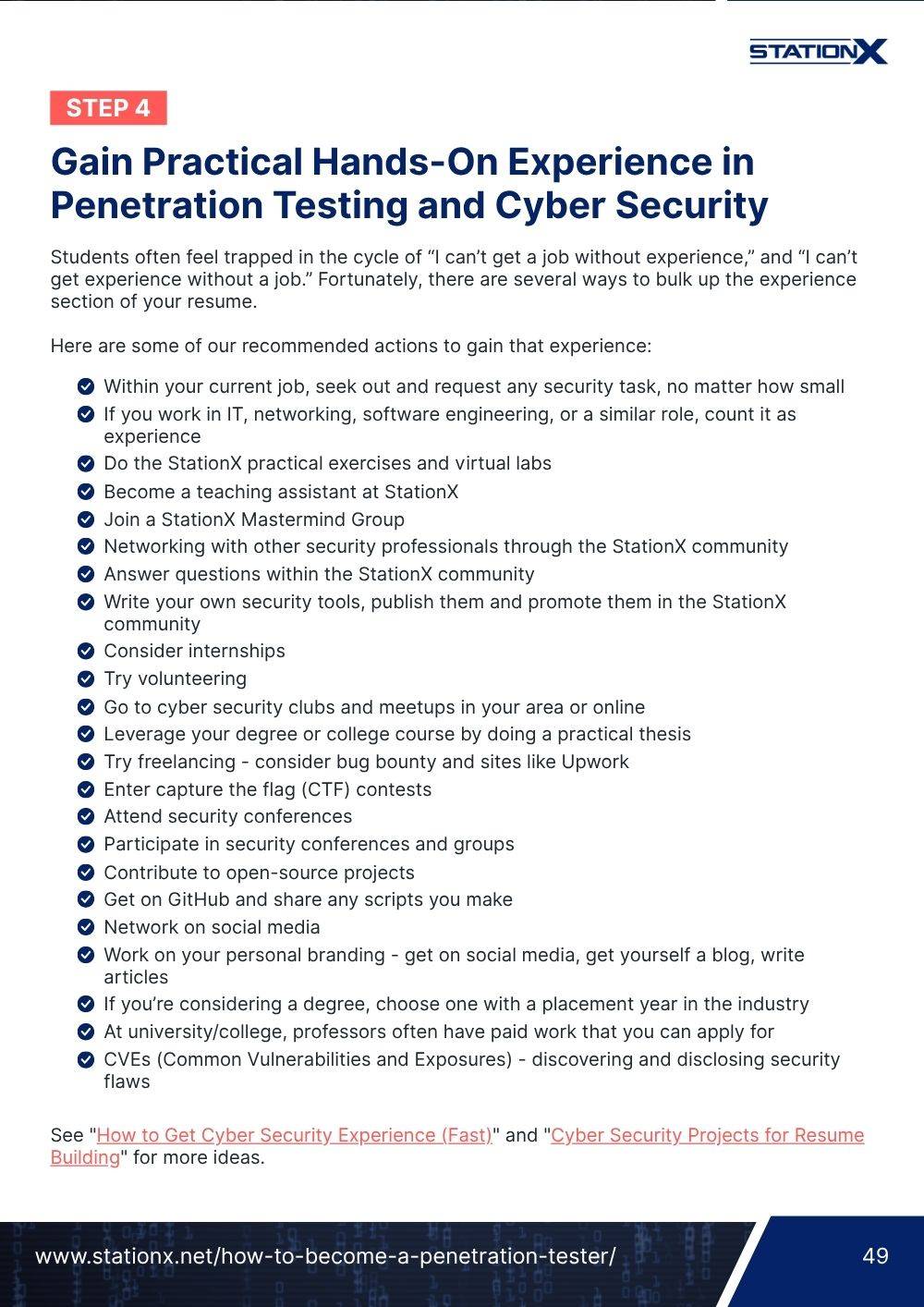
When determining if you qualify for a position, consider what they’re asking, how you can frame your resume, what activities and personal projects you can showcase as experience, and how your skillset matches the job requirements. We provide steps to gaining practical experience and a guide on personal branding in our StationX Master’s Program.
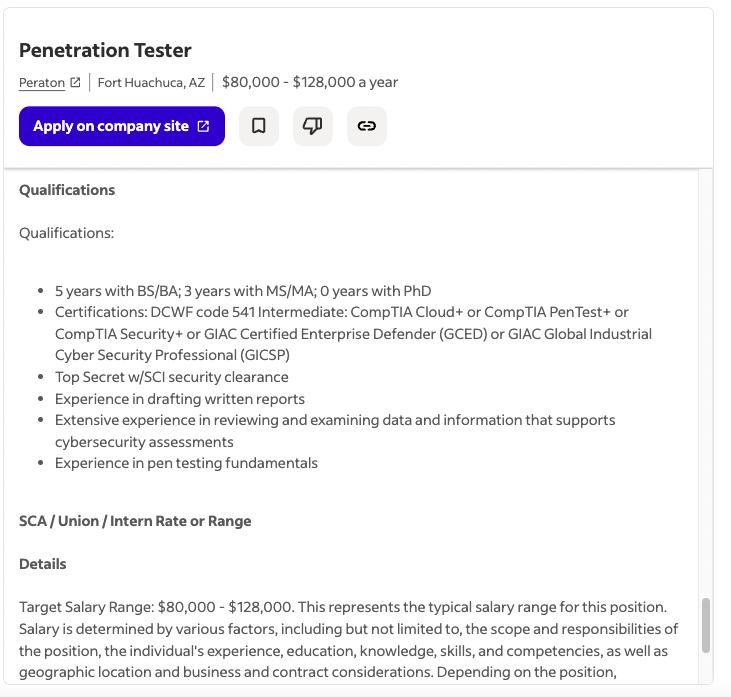
Penetration Tester
The average salary for a Penetration Tester in the U.S. is around $105,000.
Typical salaries range between $85,000 and $135,000, depending on experience, specialization, and whether the position involves consulting or internal testing.
The CompTIA PenTest+ certification is a strong credential for this role, especially when paired with hands-on experience or advanced certifications like OSCP. Employers value practical skills in vulnerability exploitation, reporting, and client communication. Penetration testing roles can progress into senior red team, security architect, or consultancy positions.
Vulnerability Analyst
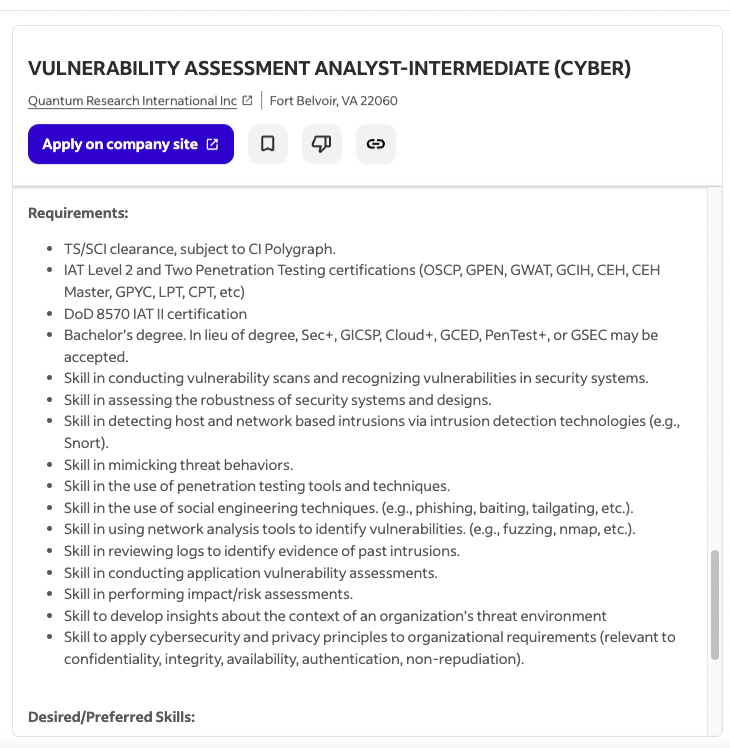
The average salary for a Vulnerability Analyst is approximately $90,000.
Salaries generally range from $70,000 to $110,000, influenced by industry, technical environment, and required compliance exposure.
Holding PenTest+ demonstrates a strong understanding of vulnerability management, scanning, and prioritization. Employers also seek familiarity with tools like Nessus, OpenVAS, or Qualys, as well as frameworks such as CVSS. This role often leads to advancement into penetration testing, threat analysis, or security engineering positions.
Threat Intelligence Analyst
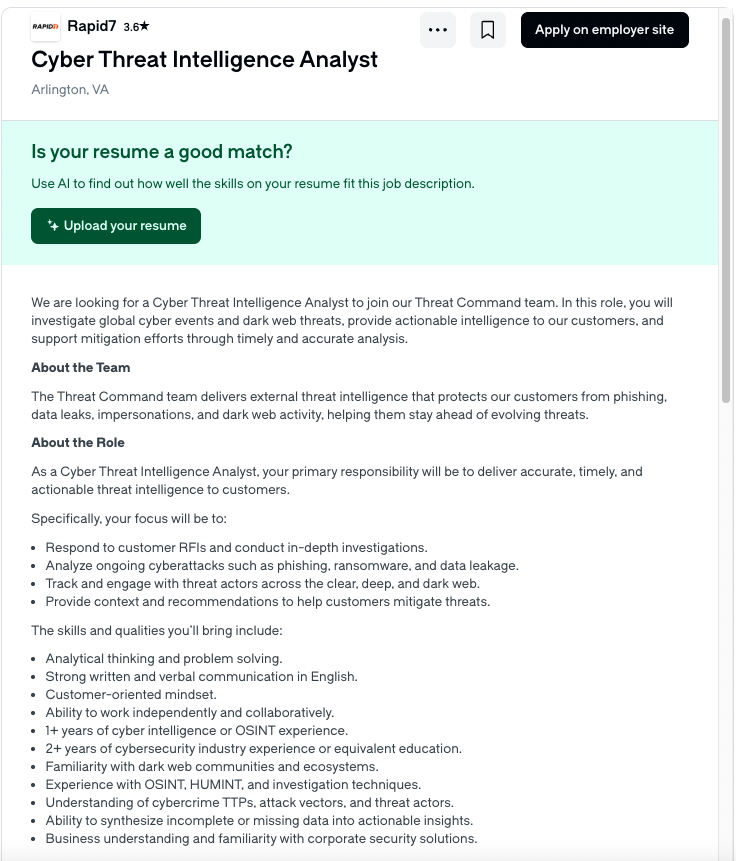
The average salary for a Threat Intelligence Analyst is around $95,000.
Salaries typically range between $75,000 and $140,000, depending on sector, clearance requirements, and analytical depth.
PenTest+ helps validate technical understanding of attack methods, which is valuable when profiling adversary behavior and producing actionable threat intelligence. Employers often look for experience with OSINT, MITRE ATT&CK, and threat feed analysis. With experience, professionals may advance to senior intelligence, threat hunting, or SOC leadership roles.
Security Consultant
The average salary for a Security Consultant is around $110,000.
Salaries usually fall between $85,000 and $140,000, depending on seniority, client scope, and specialization.
The PenTest+ credential provides credibility in consulting engagements, especially for those who perform assessments, compliance evaluations, or penetration testing. Employers also value communication skills and familiarity with frameworks like NIST, ISO 27001, or CIS Controls. This role often leads to positions such as Senior Security Consultant, Cyber Security Manager, or CISO.

Cyber Security Auditor
The average salary for a Cyber Security Auditor is about $88,000.
Typical salaries range from $70,000 to $115,000, depending on industry, certification level, and whether the position is internal or external.
PenTest+ can help demonstrate the technical understanding needed to evaluate security controls effectively. Employers may also seek certifications like CISA, CISM, or ISO 27001 Lead Auditor, alongside knowledge of compliance frameworks such as SOC 2, PCI DSS, or HIPAA. With experience, this path can evolve into senior audit, compliance management, or risk advisory roles.
Network Security Operations
The average salary for a Network Security Operations professional is roughly $92,000.
Depending on organizational scale, infrastructure complexity, and shift structure, salaries generally range between $75,000 and $115,000.
Earning PenTest+ highlights your ability to identify and mitigate vulnerabilities across networked environments. Employers also appreciate experience with firewalls, IDS/IPS, and SIEM tools. Over time, this role can progress into senior network defense, SOC engineering, or cyber operations positions.
Career Progression
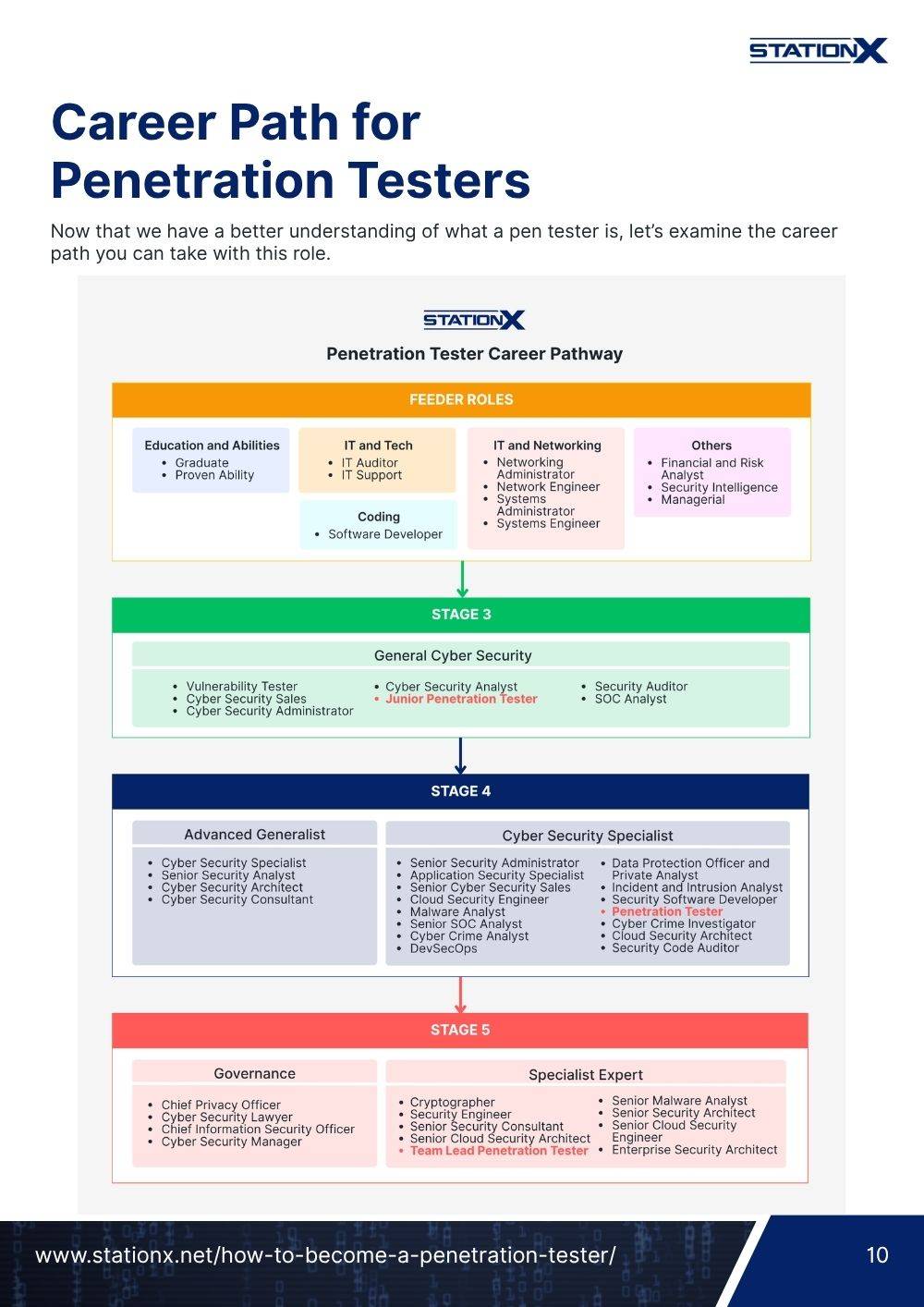
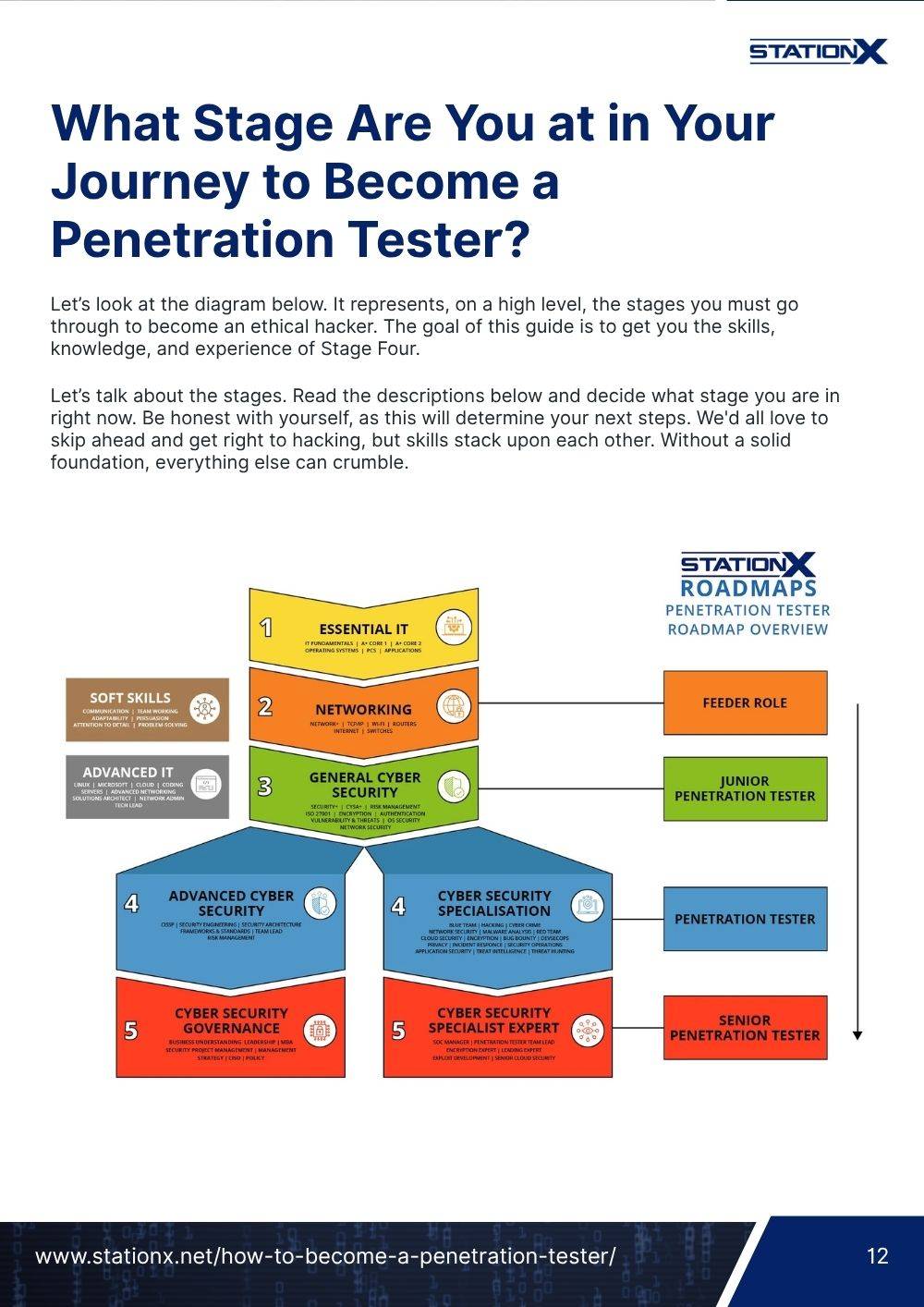
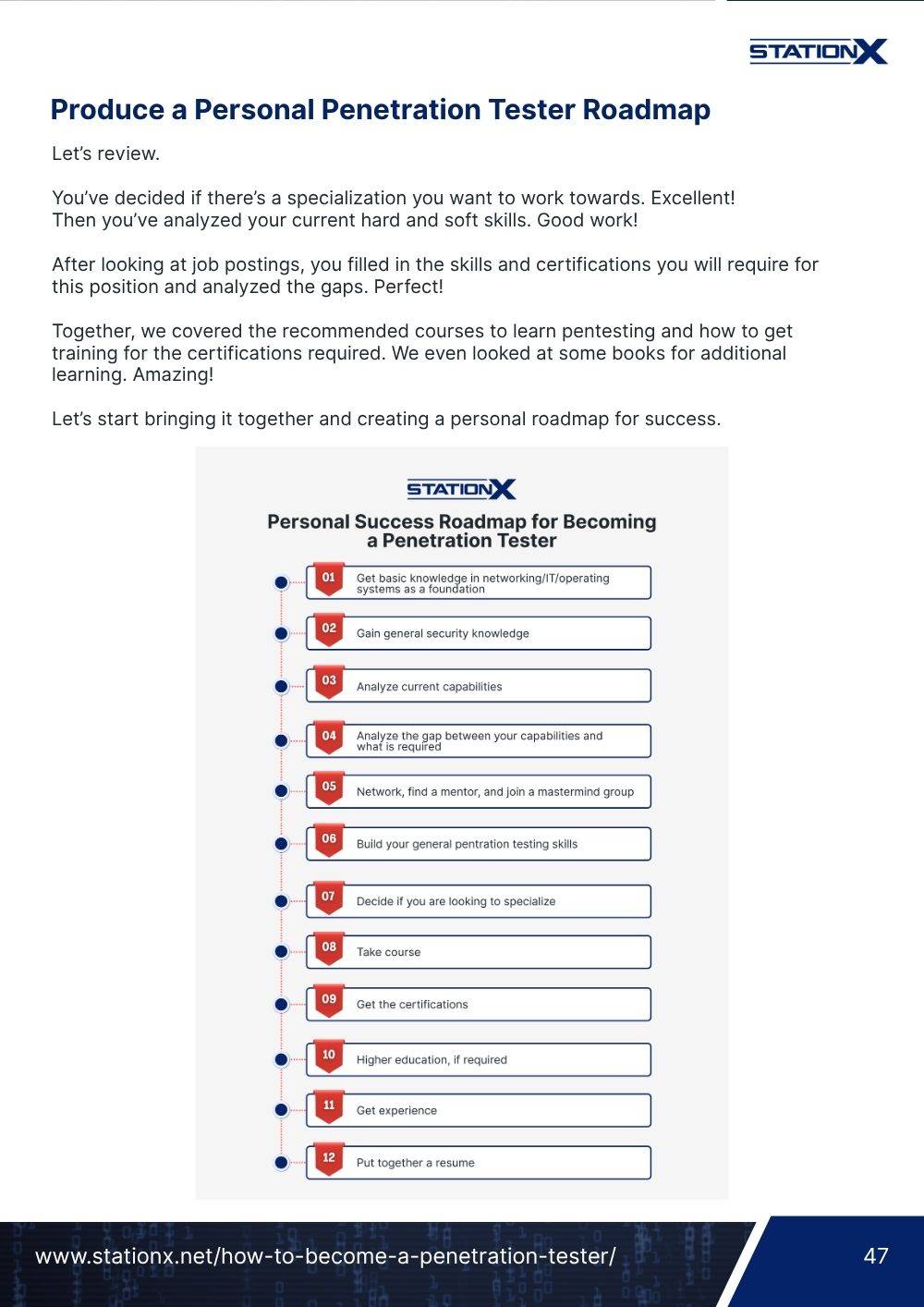
Earning the CompTIA PenTest+ certification can significantly boost your cybersecurity career, helping you transition into hands-on offensive roles and setting the foundation for long-term growth. But what career progression could you look for after achieving this certification and stepping into a penetration testing or vulnerability management position?

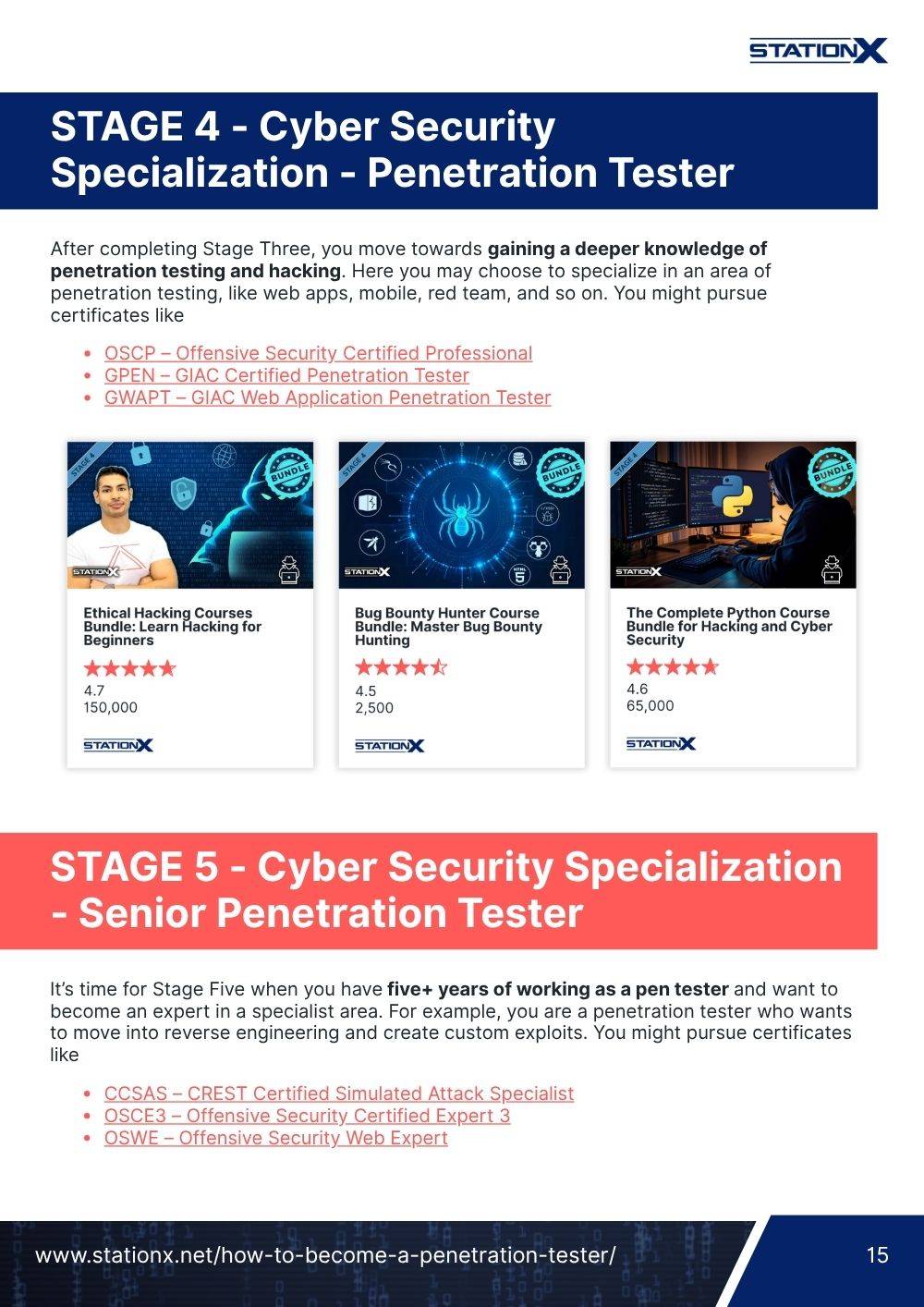












Senior Penetration Tester
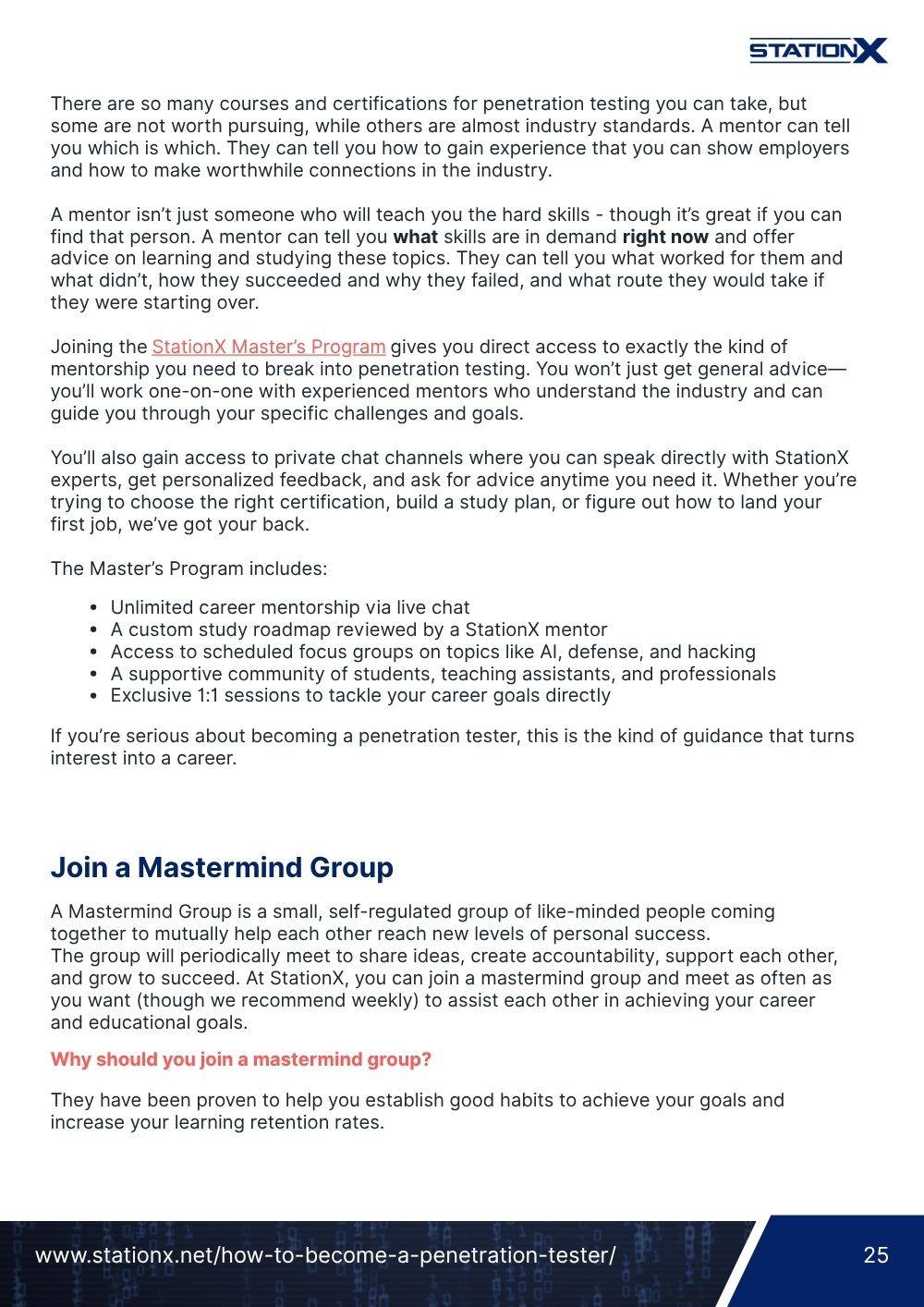
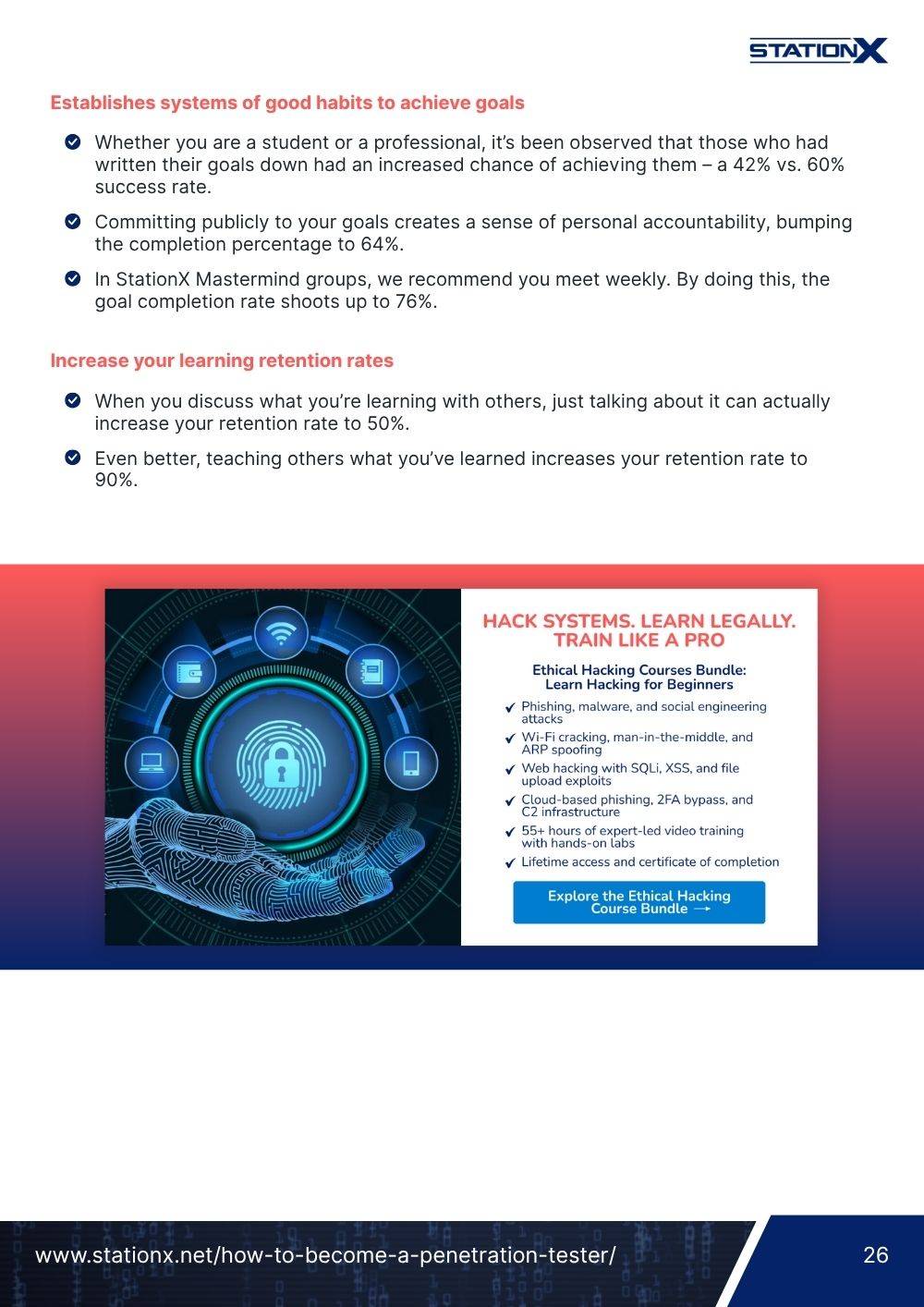
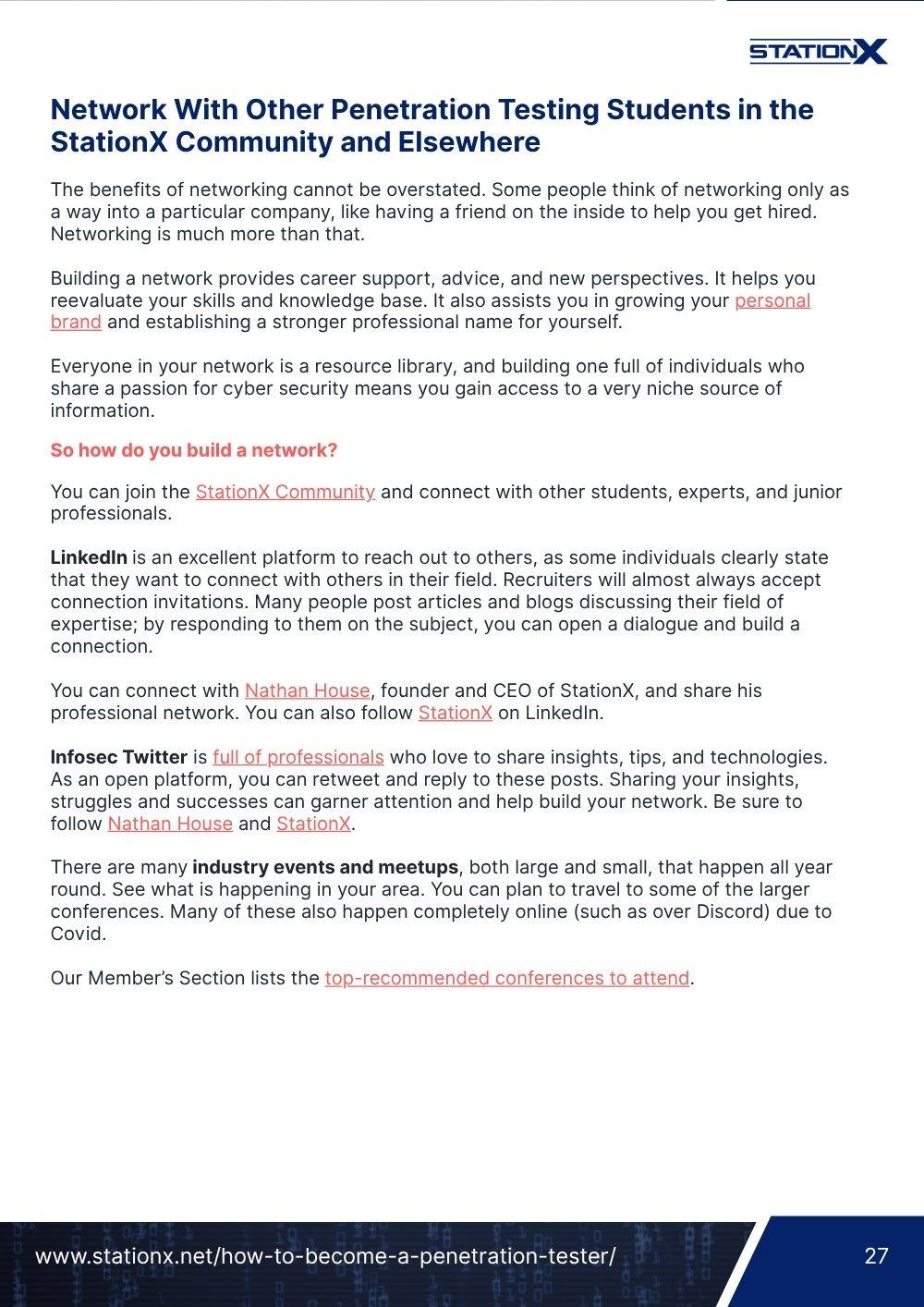
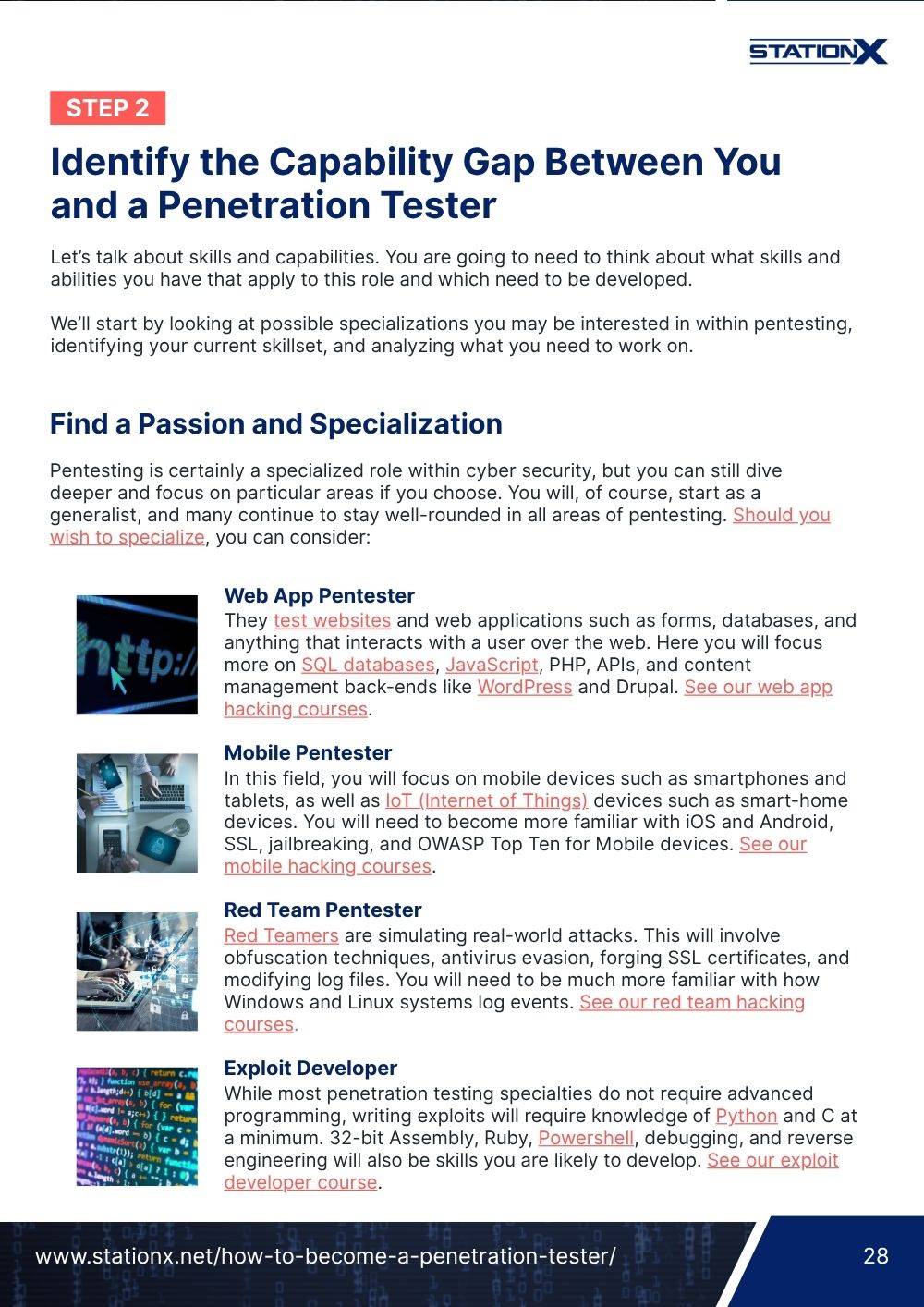
One great path forward in the world of offensive security is pursuing a senior penetration tester role. These professionals deal with the most complicated offensive security tasks, including custom exploitation writing, managing a department, or focusing on a particular aspect of ethical hacking such as web app, cloud, or Active Directory.
Red Team Operator
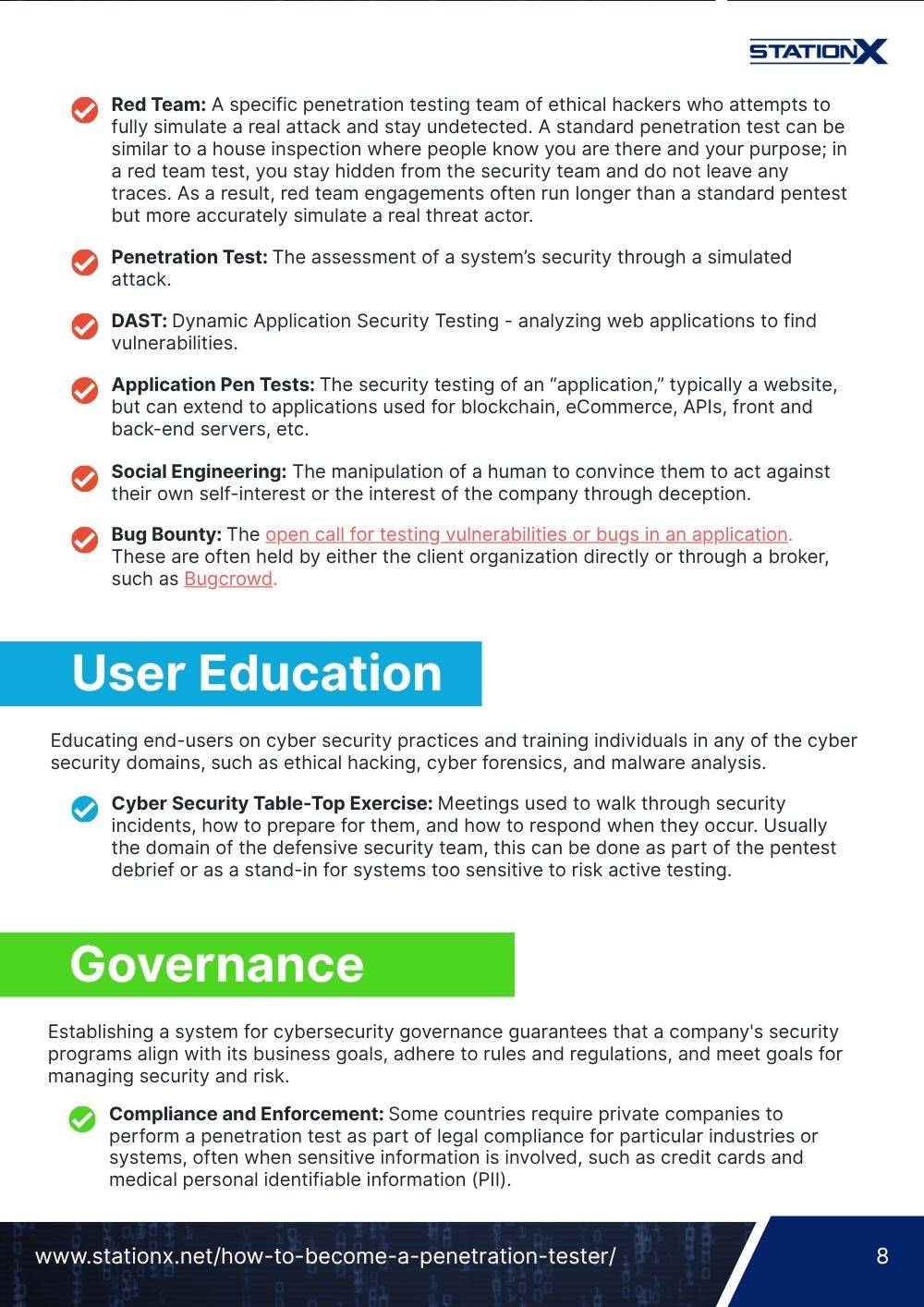
Red Team Operators conduct penetration testing activities through the avenue of threat emulation. This means they attempt to conduct their tests without being detected by defensive tools or personnel.
Security Architect
Those who combine strong technical expertise with big-picture thinking often transition into Security Architect roles. In this position, you design secure systems and networks from the ground up, applying your penetration testing insights to prevent the very attacks you once executed.
Security Architects shape policies, evaluate new technologies, and ensure that security is embedded into business operations and infrastructure planning.
Further Education
Obviously, many more doors can be opened as your career progresses. However, a senior offensive role and/or more niche offensive roles like red teaming are both great avenues to continuing your career!
Over time, PenTest+ holders often branch out into specialized or leadership roles. Some move toward offensive engineering, tool development, or cyber operations management, while others pursue advanced pentesting certifications like OSCP, GPEN, or OSEP to deepen their technical credibility.
Conclusion
The PenTest+ certification is a powerful stepping stone for professionals aiming to advance in offensive security. With its strong coverage of real-world testing domains, growing presence in job listings, and competitive CompTIA PenTest+ salary potential, it’s a valuable credential for boosting both your skills and career prospects.
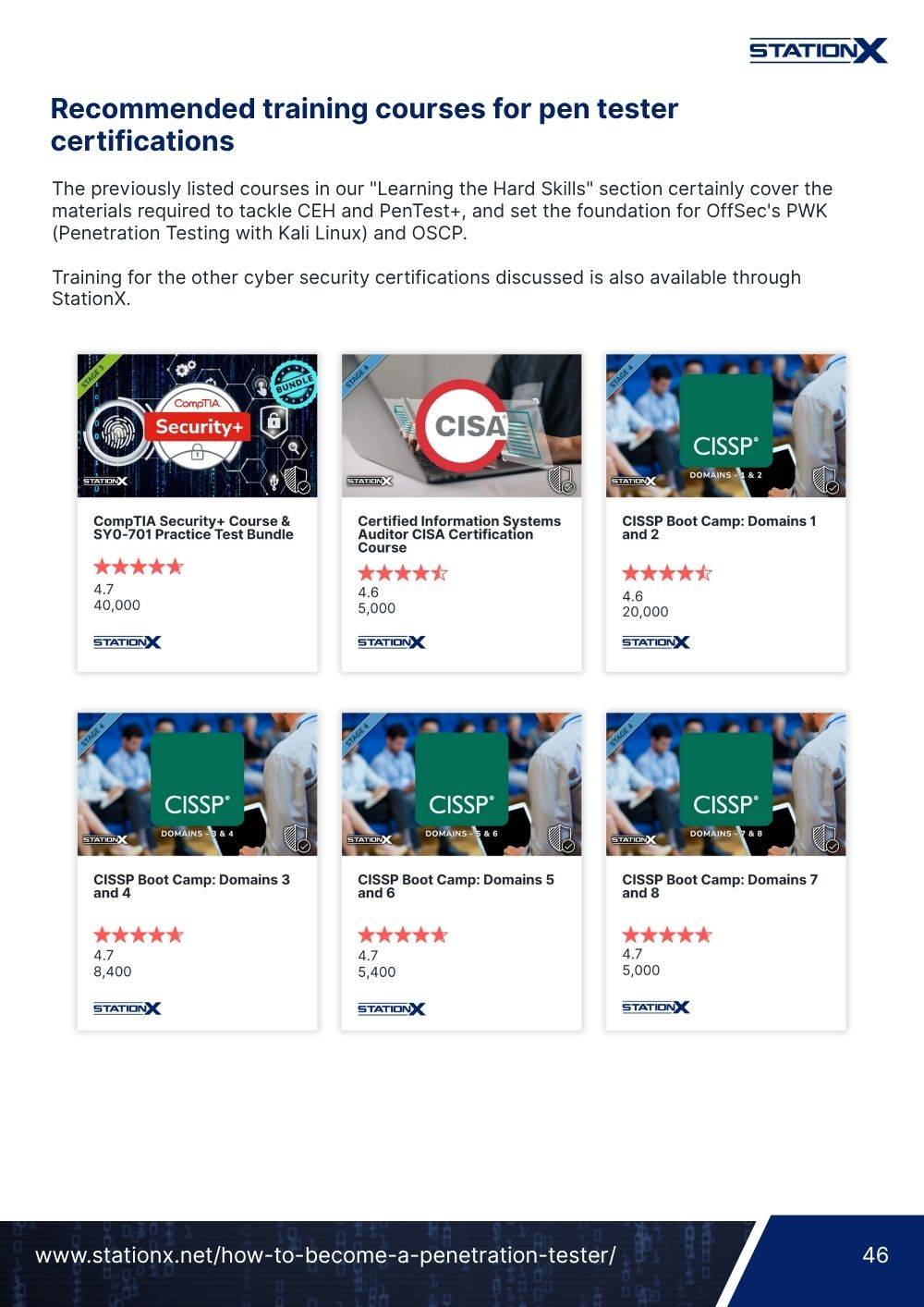
Preparing for the exam is now more accessible than ever, with our affordable, all-in-one training resources like our CompTIA PenTest+ Courses Bundle - an all-in-one training solution that includes the full video course, 884 practice questions, and over 500 flashcards.
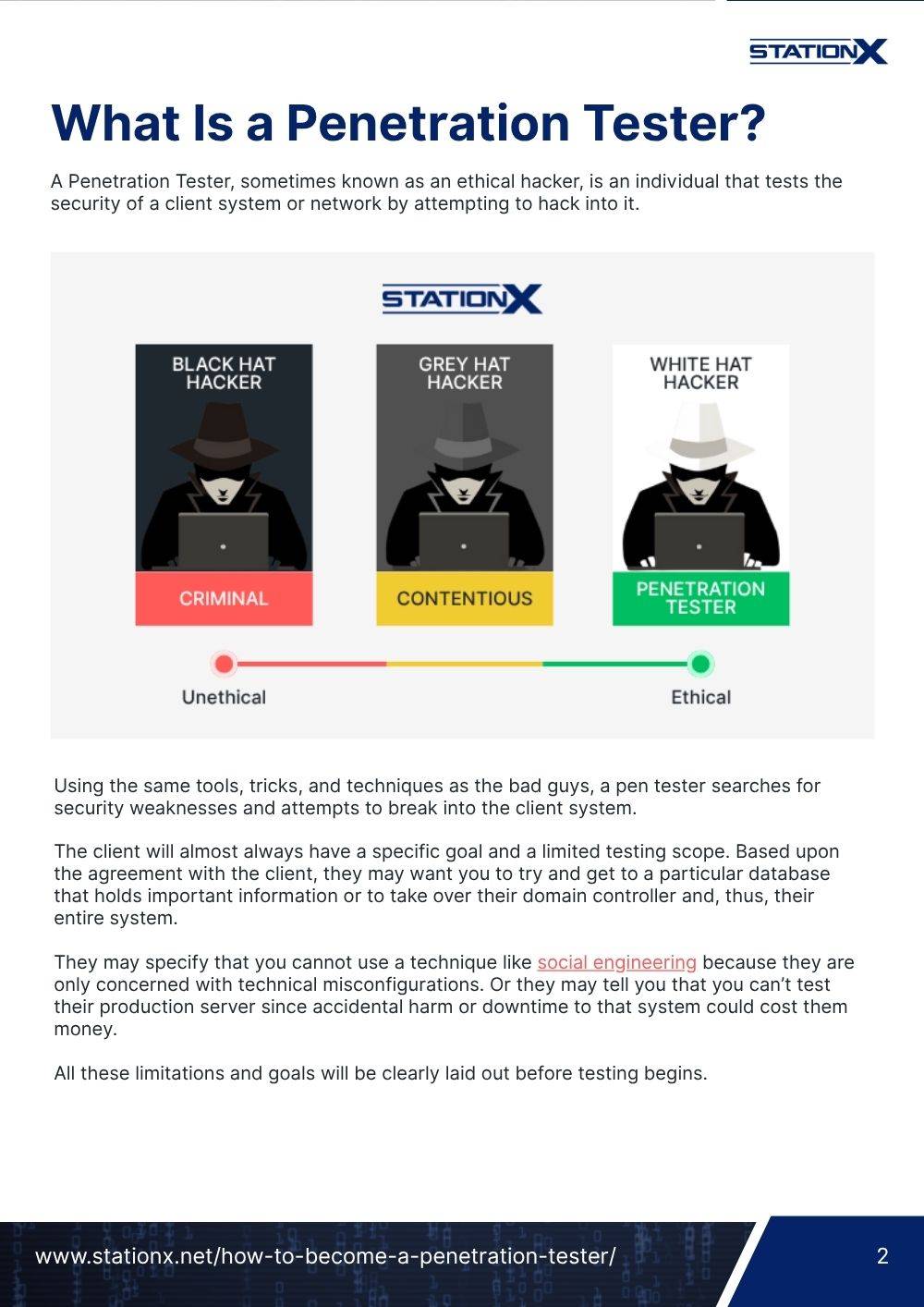
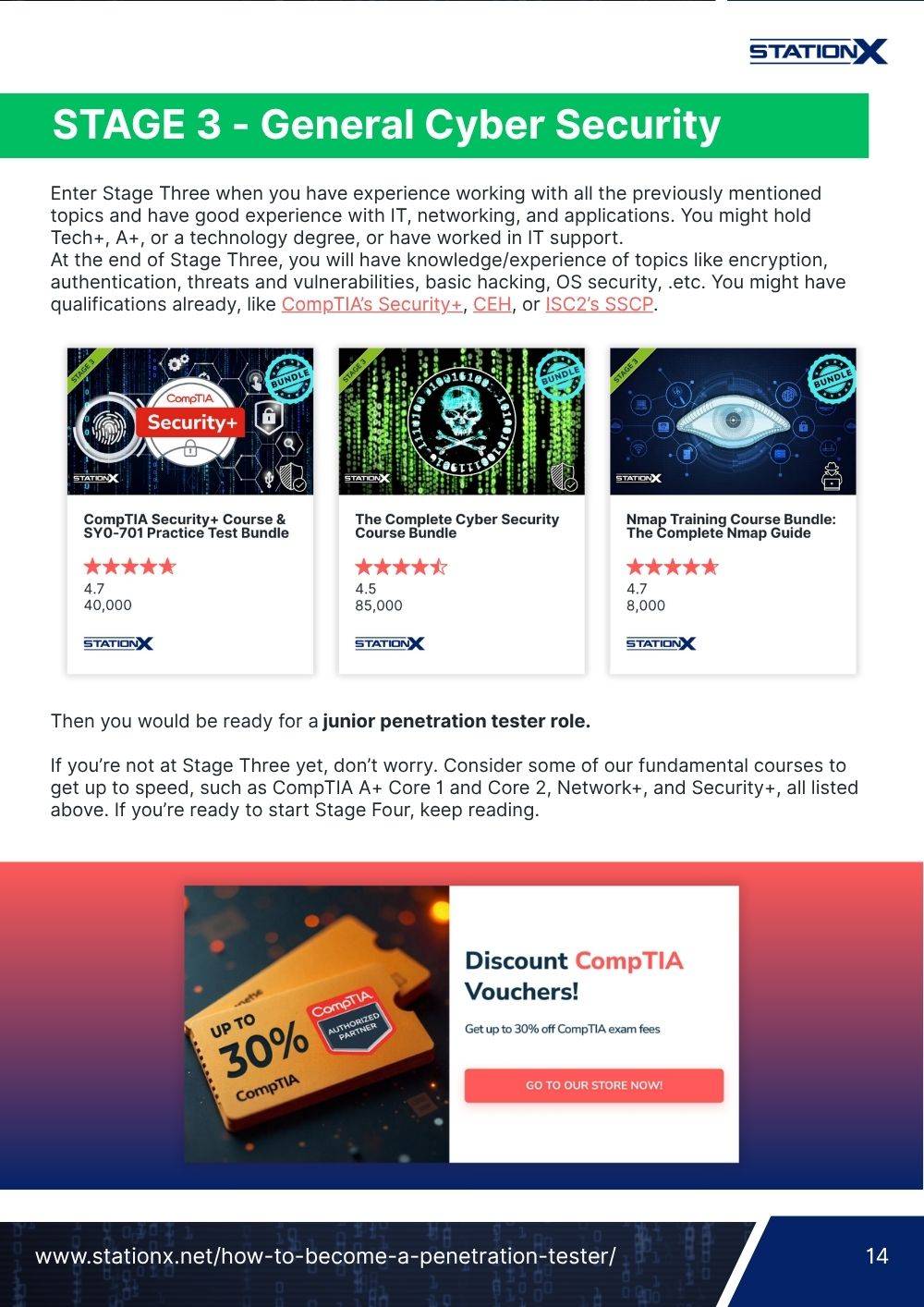
You can also save up to 30% on your official PenTest+ exam voucher when you purchase through us, making certification prep both effective and affordable.
Whether preparing for the PenTest+, another certification on your list, developing new skills, or planning out your career path, the StationX Master's Program offers career guidance, mentorship, top-rated courses, and more.
The CompTIA PenTest+ Courses Bundle PT0-003 includes:
- Total CompTIA PenTest+ Course
- PenTest+ Practice Questions PT0-003
- CompTIA PenTest+ Certification Flash Cards
- Penetration Testing Training for Beginners